Building a Surf Campervan thats Deaf friendly.
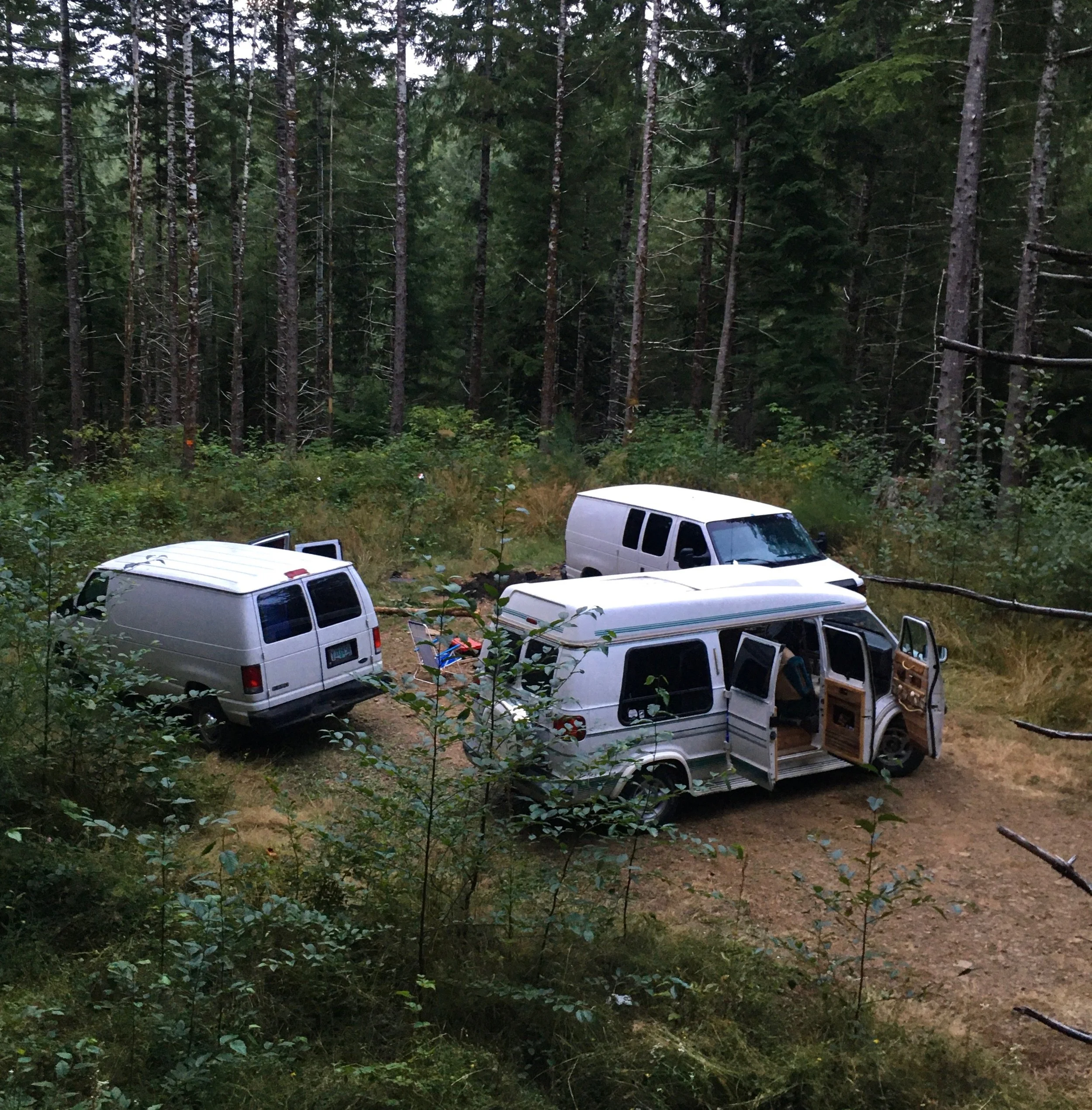
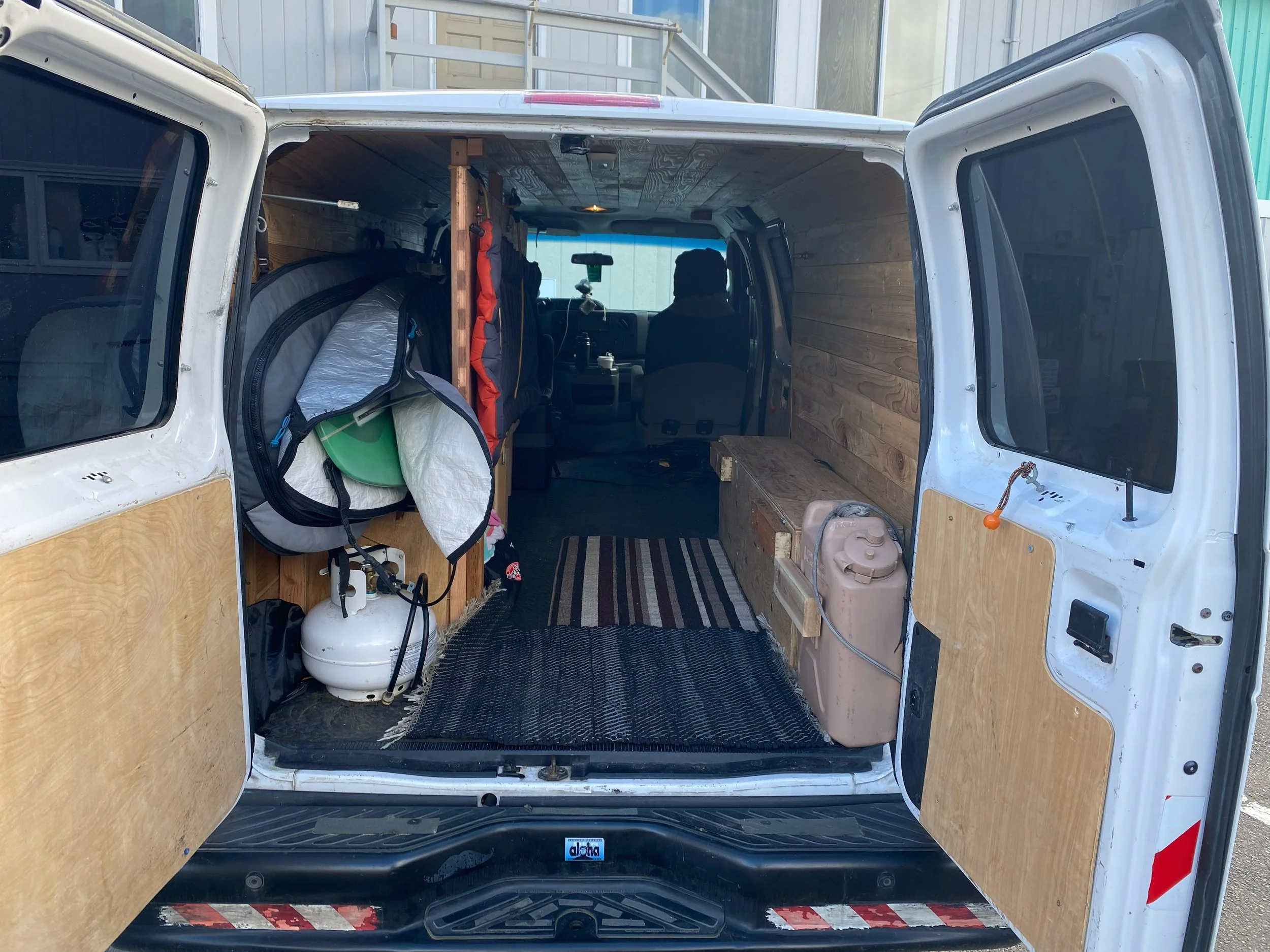
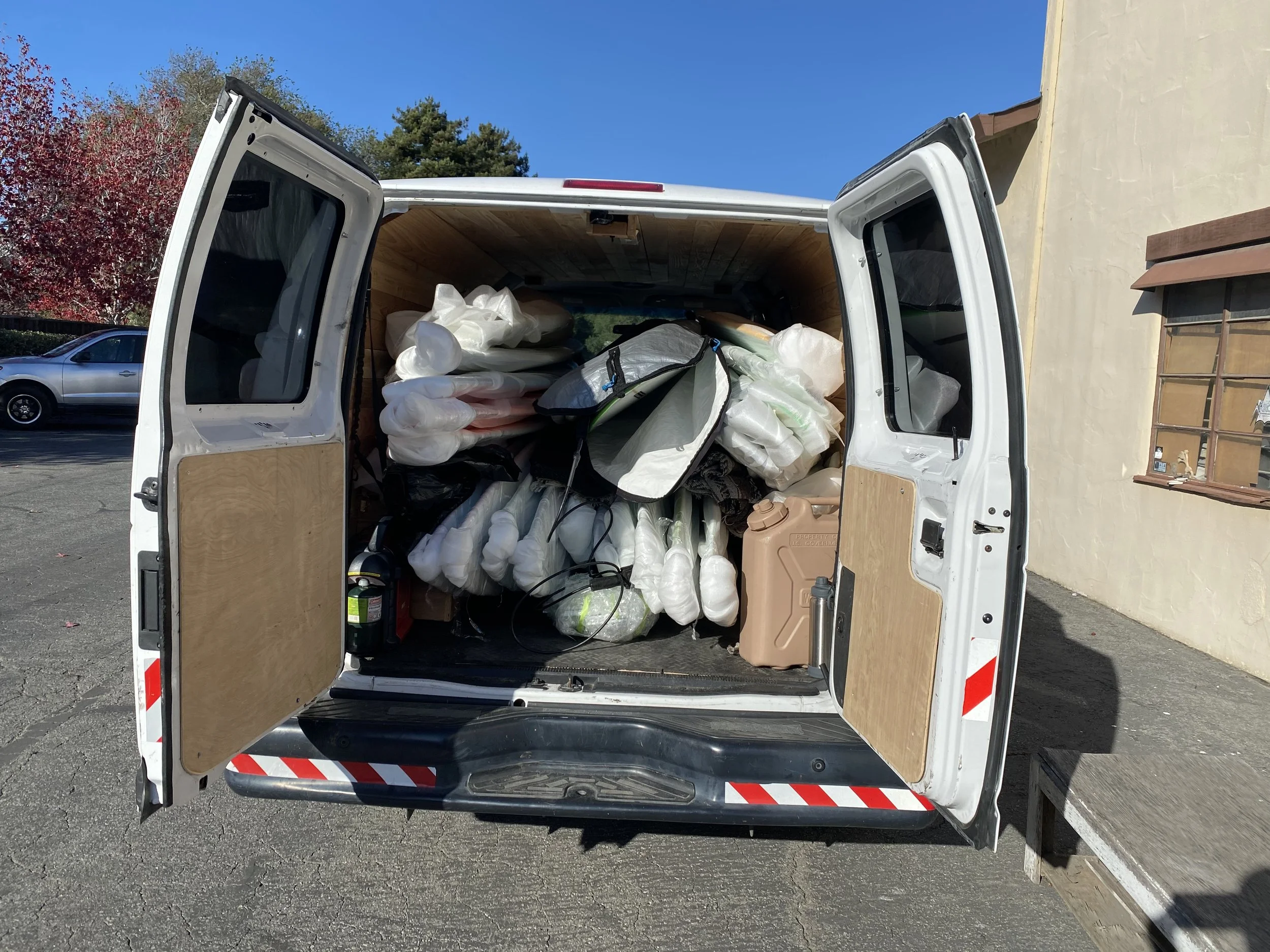
My friends and I love surfing and camping. Vans are a great way to carry all of your surfing, camping, and fishing gear. Our interiors were labor of love and efficiency.
Camper Van Builds and Deaf-Centered Innovation
As a Deaf traveler, I designed and rebuilt my camper van as an adaptive living system—one that addressed not just mobility and recreation, but safety, communication, and independence in environments that are often inaccessible.
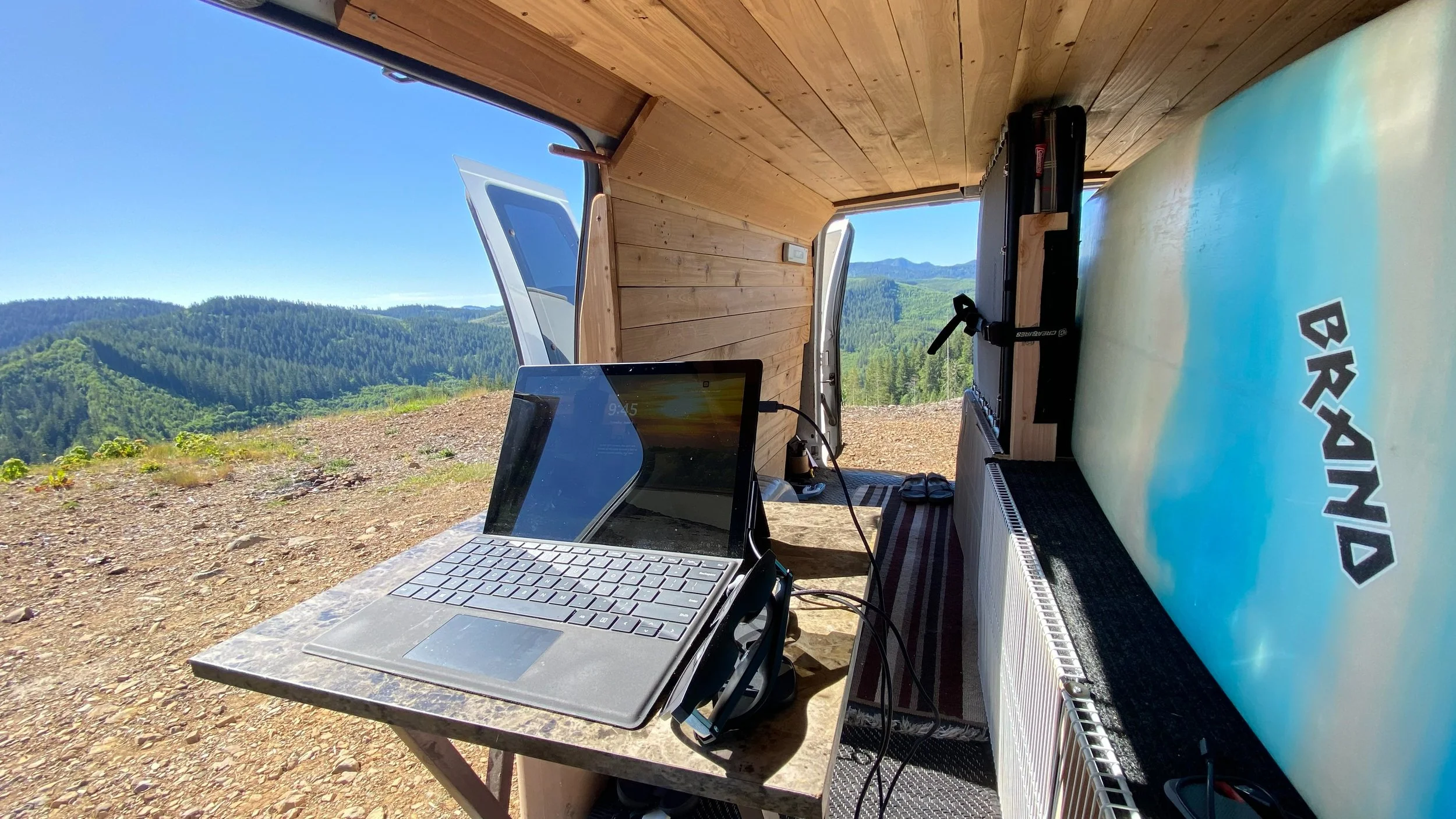
My goal was to create a space that allowed me to carry surfboards, fishing gear, and camping equipment while maintaining the ability to sleep, work, and recharge essential devices. As a cochlear implant processor user, power management and equipment protection were critical. I built secure, integrated systems to store and charge my hearing devices, phone, and computer—tools that are essential for communication and daily function.
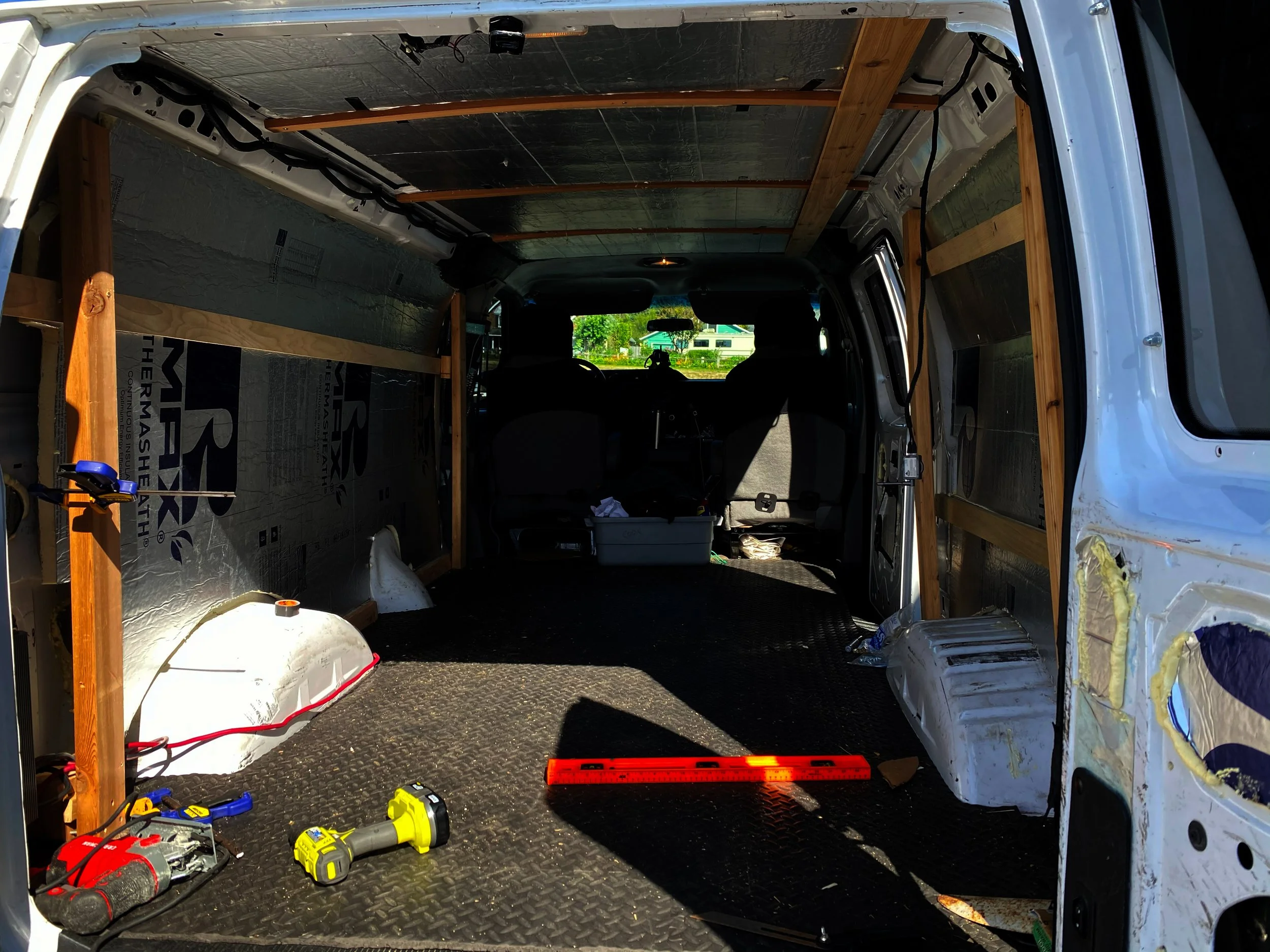
Because I cannot rely on sound for awareness, the van was engineered around visual and tactile feedback. I installed reverse cameras, keypad entry systems, and line-of-sight access points to monitor my surroundings. I implemented motion-triggered sensors that activated interior lights when someone approached, addressing the very real risk of not hearing footsteps, wildlife, or potential threats—especially when traveling alone. These modifications transformed a standard vehicle into a safer, Deaf-accessible environment.
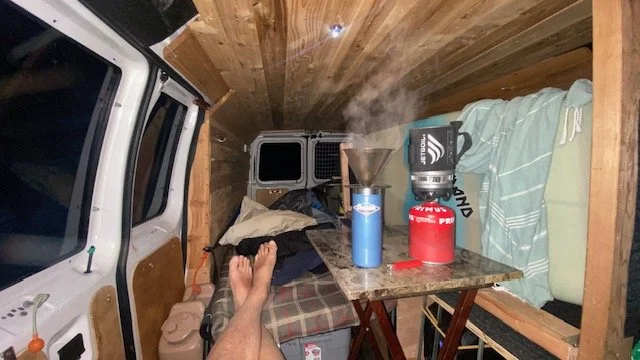
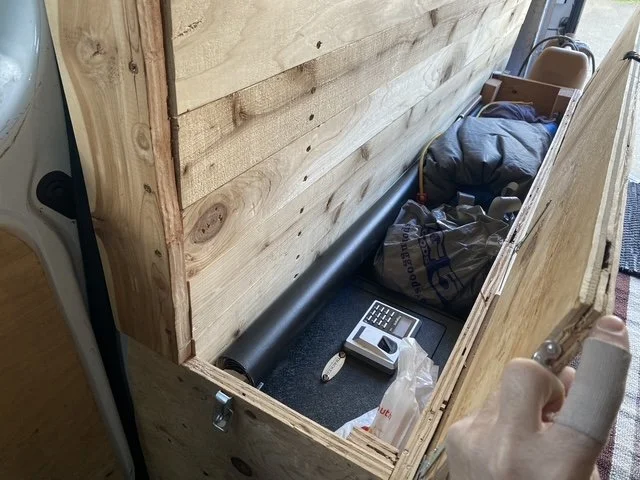
The interior was built using recycled and locally sourced materials, including Oregon cedar, creating both functionality and a sense of familiarity rooted in my upbringing. The layout was modular and efficient: a fold-down bed, integrated surfboard storage, a secure safe welded to the frame for protecting essential communication devices, and a slide-out kitchen and power system designed for both usability and theft prevention.
Innovation extended into energy use. With limited battery capacity, I refined a low-power system capable of supporting four days off-grid. I reduced reliance on propane, incorporated compact cooking solutions, and developed a rotating freezer system to eliminate the need for ice. Every design choice balanced sustainability, efficiency, and accessibility.
Despite these solutions, gaps remain. Older vehicles like the Ford Econoline lack modern safety features such as proximity alerts and haptic feedback—tools that could significantly enhance spatial awareness for deaf drivers. While I compensated through mirrors, cameras, and heightened visual attention—and have maintained a safe driving record over decades—the need for inclusive design in transportation is clear.
This project represents more than a van build. for me It is a working model of Deaf-centered innovation—demonstrating how thoughtful design can remove barriers, increase safety, and expand access to outdoor experiences. These insights directly inform my work with the Silent Wave Project, where we aim to create inclusive, accessible pathways for deaf individuals to engage with the ocean and natural environments. In a perfect world a collaboration between the deaf and automakers to create tactile and visual systems for deaf and hard of hearing drivers would be a dream come true for many of us.
By rethinking systems through a Deaf lens, we are not only adapting to the world as it exists—we are actively designing a better, more inclusive one. And maybe by example an automaker will take notice.